
Adjustable Dumbbells vs Fixed: Which Is Better for a Home Gym?
Adjustable dumbbells vs fixed, compared on floor space, weight steps, speed of change, length, recalls, shared use, and room to grow.

In the adjustable dumbbells vs fixed decision, adjustable dumbbells are the better fit if floor space is tight and one person trains at a time, while fixed dumbbells are the better fit if you want small weight steps, instant changes between sets, no locking parts to check, and a rack that several people can use at once. The trade is space against simplicity. One adjustable pair can stand in for several fixed pairs, but every change of weight runs through a mechanism, and the steps between settings are set by the plates inside.
To keep the comparison concrete, we set two real products side by side: the Keppi Quick-Adjust Dumbbell Pair as the adjustable option and the CAP Neoprene Dumbbell Set with A-Frame Rack as the fixed option. Both are sold new on Amazon in the US. Every product figure below comes from the Amazon listing or a maker page we opened; counts and areas are our own arithmetic from those figures. The same questions apply to any adjustable dumbbells vs regular dumbbells choice, so you can use them to judge other models too.
This guide is general product information, not medical or fitness advice. If you have pain, an injury, or a health condition, talk to a qualified healthcare professional before starting a new exercise routine.
We earn a commission from qualifying purchases made through links on this page. Commissions never affect our rankings or StrengthRoomLab Scores.
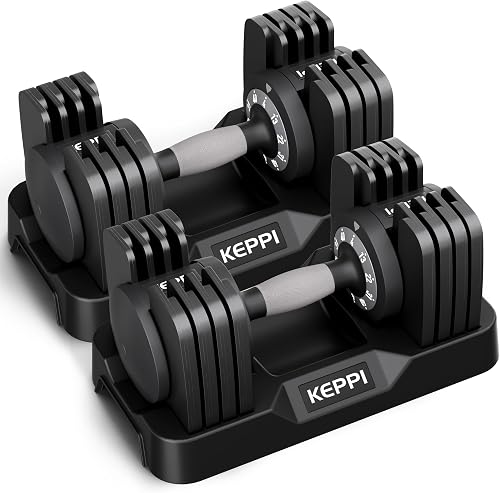
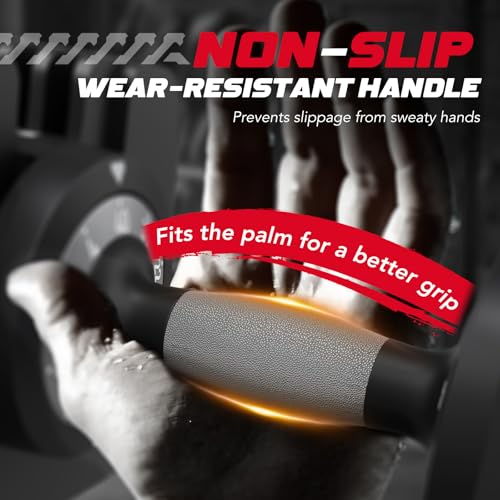
Keppi Quick-Adjust Dumbbell Pair



As an Amazon Associate we earn from qualifying purchases.

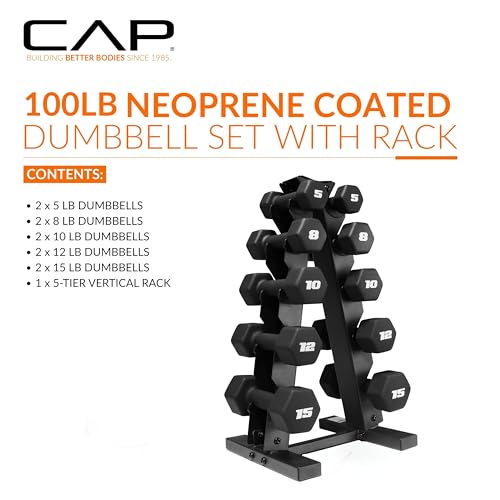
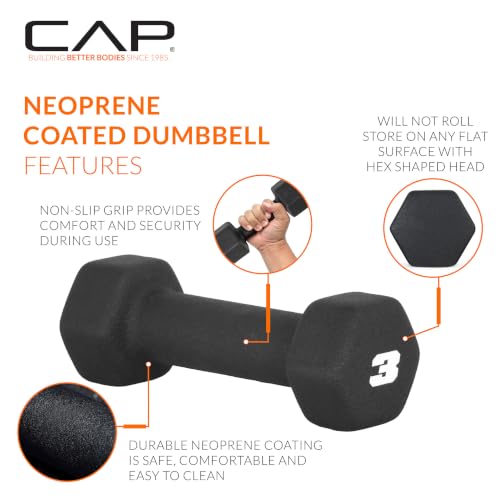
CAP Neoprene Dumbbell Set with A-Frame Rack



As an Amazon Associate we earn from qualifying purchases.
Adjustable vs Fixed Dumbbells: Side-by-Side Specs
The source is noted in each cell. “Not confirmed” means neither the listing nor a maker page we opened gives the figure.
| Spec | Keppi Quick-Adjust Dumbbell Pair (adjustable) | CAP Neoprene Dumbbell Set with A-Frame Rack (fixed) |
|---|---|---|
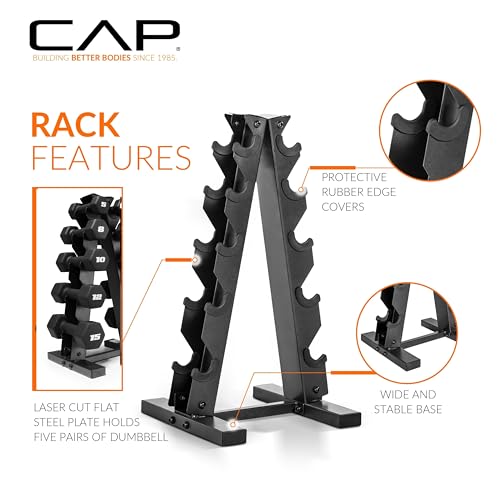
| What you get | Two dumbbells, a storage tray, and an owner’s manual (listing) | Five pairs of dumbbells plus an A-frame rack (listing) |
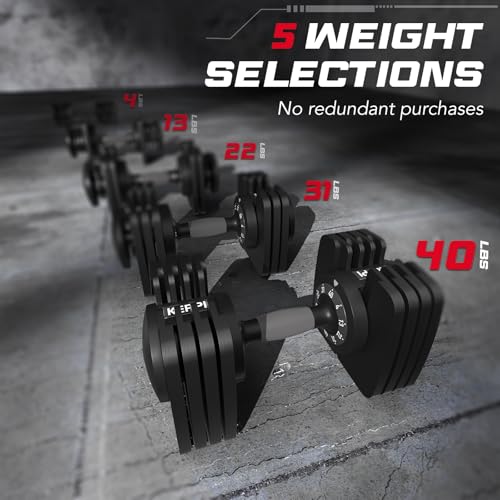
| Weights per hand | 4, 13, 22, 31, and 40 lb (listing); 4 to 40 lb (Keppi) | 5, 8, 10, 12, and 15 lb (listing) |
| Step between weights | 9 lb (listing) | 2 to 3 lb (listing) |
| Total weight covered | Up to 40 lb per hand, one setting at a time | 100 lb across all ten dumbbells (listing) |
| How you change weight | Twist the handle with one hand (listing and Keppi) | Pick up a different pair |
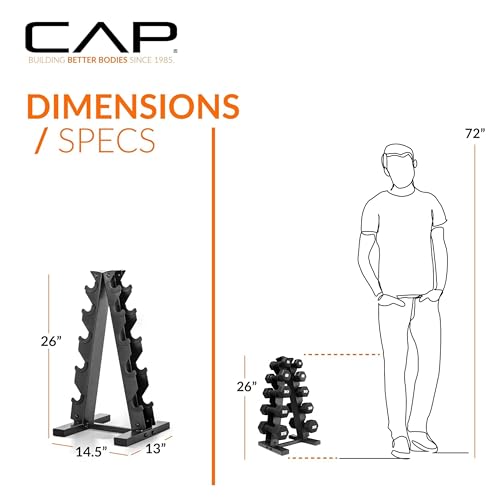
| Size | 15.9 x 9.4 x 10.4 in per dumbbell (listing) | Dumbbell and rack dimensions not confirmed |
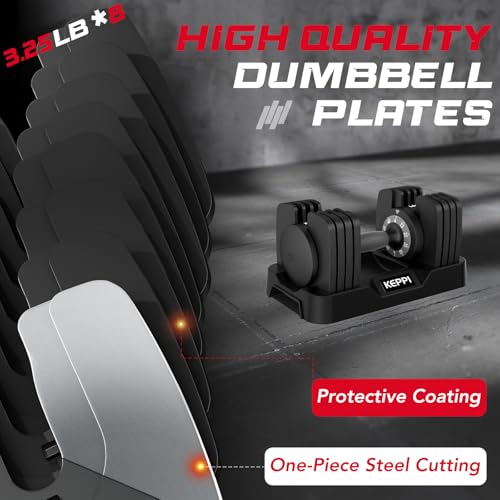
| Construction | Steel plates (listing) | Gray iron core with a neoprene coating and hex heads (listing); cast iron (CAP) |
| Moving parts | Plate locking system; Keppi says a base unlocking system and a dial system work together | None |
| Weight markings | Weight indication (listing) | Marked ends (listing) |
One listing quirk worth knowing: the CAP set’s item weight field gives 12.3 lb, which cannot be the weight of a set whose own description adds up to 100 lb of dumbbells. We use the description’s figures throughout.
Floor Space and Storage
This is where adjustable dumbbells earn their place. The Keppi listing lists each dumbbell at 15.9 x 9.4 x 10.4 in and says the pair replaces five separate fixed weights. If the first two figures are the base, our own arithmetic puts the pair at roughly 2 sq ft of floor side by side, and that covers every setting from 4 to 40 lb.
Fixed dumbbells need a home for every pair. The CAP set stores five light pairs on its included A-frame rack, but its listing does not give the rack’s size. The bigger issue is what happens as you get stronger: covering the same 4 to 40 lb range as the Keppi pair with fixed dumbbells takes at least five pairs at the same 9 lb steps, and about eight pairs at 5 lb steps from 5 to 40 lb. That is a full rack, and in a spare bedroom or small apartment the space it takes can decide the question. In a two-car garage with a free wall, the space cost of fixed pairs matters much less.
Weight Steps and Range
The step between weights is the most overlooked difference. The Keppi pair moves in 9 lb steps: 4, 13, 22, 31, and 40 lb, according to the Amazon listing. The CAP set moves in steps of 2 to 3 lb from 5 to 15 lb. On a curl or a goblet squat, a 9 lb jump can be manageable. On a shoulder press, a lateral raise, or a triceps extension, going from 13 to 22 lb per hand is a large increase, and you may find one setting too light and the next too heavy for weeks.
Range runs the other way. The Keppi pair reaches 40 lb per hand, while nothing in the CAP set goes past 15 lb. If your plan includes rows, presses, and squats with real weight, a light fixed set alone will not keep up, and you would need heavier pairs. CAP’s own site sells its neoprene coated dumbbells in every pound from 1 to 10 lb plus 12 and 15 lb, so this line is built for light work with fine steps, not for heavy lifting.
The practical rule: write down your heaviest and lightest dumbbell lifts. If the gap is wide and space is short, adjustable dumbbells fit. If you mostly work in a narrow, light range and want to move up in small steps, fixed pairs fit.
Speed of Changing Weight
With fixed dumbbells, changing weight means setting one pair down and picking up another. Nothing needs to line up or click into place, which matters in circuits, supersets, and drop sets where you move between weights with little rest.
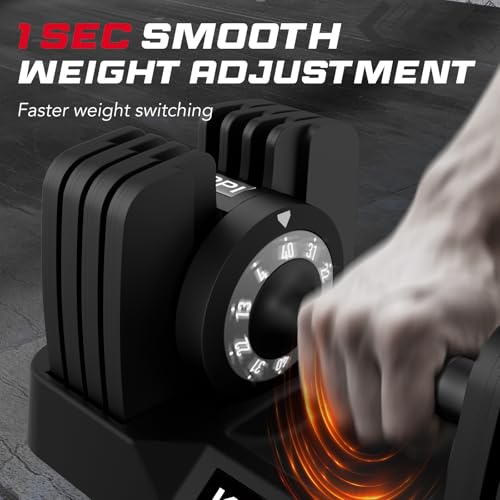
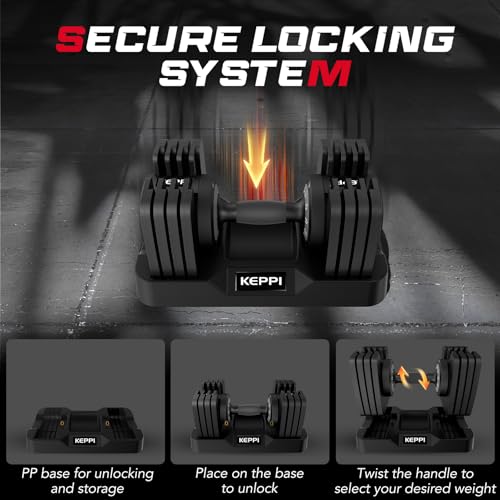
The Keppi pair changes weight with a one-hand twist of the handle, and the listing says it takes about one second. Keppi’s product page says a base unlocking system and the dial system work together to lock the plates; the owner’s manual is the place to check the exact steps. Each dumbbell has its own handle, so check the owner’s manual for how a full change of weight works across the pair. How much that matters depends on how quickly you move between weights. Twist handles, dials, pins, and spin-lock collars each change weight differently, and it pays to understand how each adjustment mechanism works before you choose.
Handling and Length
The Keppi listing gives each dumbbell’s largest dimension as 15.9 in (the listing does not label length, width, or height). The Keppi listing gives one set of dimensions for the whole 4 to 40 lb range. A fixed dumbbell is only as long as its own weight requires. For comparison, Marcy lists its 30 lb cast iron hex dumbbell at 11.81 in long. A longer dumbbell can bump your thighs on curls or your shoulders at the bottom of a press. If you have a narrow grip or a small frame, confirm the Keppi’s length in the owner’s manual or with Keppi before you buy.
Durability, Drops, and Recalls
A fixed dumbbell is one solid piece, so there is no lock to wear and nothing to align. An adjustable dumbbell depends on a locking system that decides which plates travel with the handle, and recalls show why that deserves attention. The CPSC recall of BowFlex 552 and 1090 adjustable dumbbells says the weight plates can dislodge from the handle during use and tells owners to stop using them immediately. When we searched the CPSC’s downloadable recall list for this comparison, it held six recall notices for selector-style adjustable dumbbells from BowFlex, FitRx, ProForm, NordicTrack, and Amazon Basics, each describing weight plates that could dislodge or fail to engage.
Fixed dumbbells are not immune. The same list includes an older recall of Reebok and NordicTrack chrome dumbbells whose weights could fall off the handles because the parts did not fit together properly. The list showed no recalls under Keppi or CAP. Recalls can be added at any time, so search it for your exact model before you buy, new or used.
On drops, neither listing here says the dumbbells are meant to be dropped. With any adjustable dumbbell, assume a drop can damage the lock unless the owner’s manual says otherwise. With fixed dumbbells, a solid piece has less to break, but a dropped weight can still damage floors, so lower every rep under control and train on a mat.
Training With More Than One Person
One adjustable pair holds one weight at a time. If two people train together and need different weights, one waits while the other twists the handles, or you end up changing settings between every set. A rack of fixed pairs lets one person press the 15s while another curls the 8s. For couples, roommates, or a parent and teenager sharing a garage gym, that alone can tip the decision toward fixed dumbbells, or toward a mix of both.
Growing Your Setup Over Time
Fixed dumbbells grow one pair at a time. If the CAP set’s 15 lb pair becomes too light, you add a heavier pair and the rest of the set stays useful for raises and warm-ups. CAP sells its neoprene dumbbells as individual pairs, so a lost or extra pair can come from the same line later.
An adjustable pair has a ceiling. Once 40 lb per hand on the Keppi pair is too light for a lift, the usual path is a heavier adjustable set or a few heavy fixed pairs for that one movement. That is not a reason to skip adjustable dumbbells, but it is a reason to buy a top setting above your current heaviest lift. Whether adjustable dumbbells are worth it for your situation depends on more than this head-to-head: how you train, how heavy you lift, and where the weights will live.
Which Should You Buy?
- Buy adjustable dumbbells if you train alone, space is tight, and your lifts span a wide range of weights. The Keppi Quick-Adjust Dumbbell Pair covers 4 to 40 lb per hand with a one-hand twist, according to the Amazon listing.
- Buy fixed dumbbells if you want small steps, instant changes for circuits, nothing to adjust or inspect, or a rack that two people can use at once. The CAP Neoprene Dumbbell Set with A-Frame Rack gives five light pairs from 5 to 15 lb plus a rack, per the listing.
- Mix both if you want light fixed pairs for raises and warm-ups and an adjustable pair for heavier rows, presses, and squats. That covers fine steps at the light end and range at the heavy end in a modest footprint.
- You should look elsewhere if you already lift more than 40 lb per hand, since the Keppi pair stops there and the CAP set stops at 15 lb; or if you want to drop dumbbells at the end of a set, since neither listing says these are built for it.
How We Compared These
We do not conduct our own product trials; our picks draw on published specifications, independent reviews, and Amazon owner ratings, which also set each product’s StrengthRoomLab Score. For this comparison we read both Amazon listings in full, checked them against Keppi’s and CAP’s product pages, and searched the CPSC recall list for both brands. Where a listing contradicts itself, we say so. Commissions never affect which products we cover or how we score them. The full method is on our How We Review page.
FAQ
Are adjustable dumbbells as good as regular dumbbells?
For home strength work, they do the same job: the weight in your hand is what counts. The differences are practical. Adjustable dumbbells save space and cover a wide range, but they move in fixed steps, keep one size across every setting on a model like the Keppi, and depend on a lock you should inspect. Regular fixed dumbbells take more room but change instantly and have no moving parts.
How many pairs of fixed dumbbells does one adjustable pair replace?
As many settings as it has. The Keppi pair has five, at 4, 13, 22, 31, and 40 lb, and its listing says it replaces five separate fixed weights. A model with smaller steps replaces more pairs. Count the settings you would actually use, not the total range.
Do adjustable dumbbells feel different from fixed dumbbells?
They can, mainly because of size. The Keppi listing gives one set of dimensions for all five settings, while a fixed dumbbell is only as long as its weight requires. The Keppi listing gives 15.9 in as the longest dimension, against 11.81 in long for Marcy’s 30 lb hex dumbbell. At light settings, that makes the Keppi a bigger object in your hand than a fixed dumbbell of the same weight.
Are fixed dumbbells safer than adjustable dumbbells?
They have fewer moving parts. Recent CPSC recalls for dumbbells have centered on adjustable models whose plates could dislodge from the handle, but an older CPSC recall also covered fixed chrome dumbbells whose weights could fall off. Whichever you buy, search the CPSC recall list for your model, follow the owner’s manual, and stop using any dumbbell that loosens or shifts.
Can you mix adjustable and fixed dumbbells in one home gym?
Yes, and it is a sensible plan for a growing setup. A few light fixed pairs handle raises, warm-ups, and quick circuits, while an adjustable pair covers heavier lifts without a long rack. That way the 9 lb jumps on a model like the Keppi matter less, because the light work happens on fixed pairs.
Final Verdict
Choose by space, the number of people training, and the steps you need. If you train alone in a small room and want one compact pair that spans light to moderate weights, adjustable dumbbells like the Keppi pair are the practical choice. If you want fine steps, instant changes, and a rack the whole household can share, fixed dumbbells like the CAP set make more sense. If you lean adjustable, finding the best adjustable dumbbells for you comes down to the top setting, the size of each step, and the change method. Browse our dumbbells category for more models we have researched.
About the author
Julio Frazier has spent six years training with free weights, combining gym-based strength workouts with kettlebell and bodyweight sessions at home. With two years of experience writing fitness equipment buying guides, Julio researches product specifications, owner feedback, and equipment suitability for different training routines. Julio covers dumbbells, weight benches, kettlebells, and pull-up bars.